

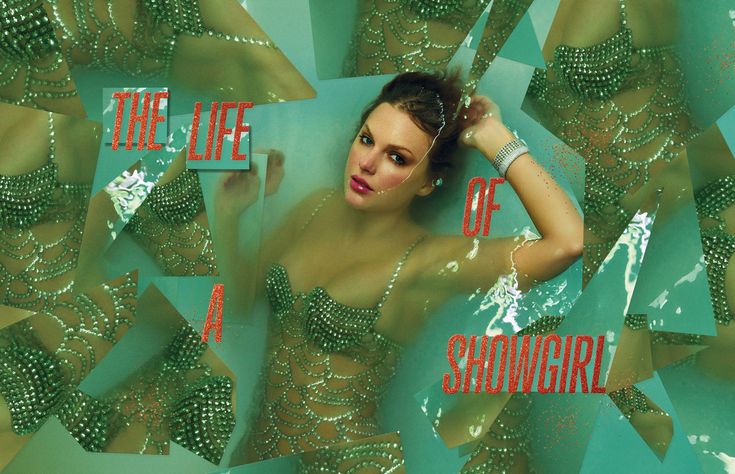
Going from “Now you hang from my lips like the Gardens of Babylon” to “Did you girl-boss too close to the sun?”, fans of Taylor Swift have been dancing with their hands tied, grappling with their relationship with the singer-songwriter.
Listeners of all ages, genders, and ethnicities have indulged in a parasocial relationship with Taylor Swift for nearly a decade. I, myself, identify as a “Swiftie” and share my love of Taylor with millions of other fans. Her wide discography, possessing songs of all circumstances, genres, and melodies, has fostered a cult-like following with music-lovers across the globe; tattooed lyrics, themed parties, and friendship bracelets are just the tip of the iceberg. But, Taylor’s dancey tunes of “Foolish One” and the melancholy notes of “Peter” aren’t what leave listeners with a one-sided connection. Rather, the musician’s lyrics are the factor that has accumulated a historic fandom unlike any other.
Taylor has showcased her hidden English teacher from a young age of 18 with the release of her second album, Fearless. The golden record possesses a song by the name of “White Horse” that is one of Taylor’s initial examples of avid storytelling: “I’m not a princess, this ain’t a fairytale. I’m not the one you’ll sweep off her feet, lead her up the stairwell. This ain’t Hollywood, this is a small town. I was a dreamer before you went and let me down. Now it’s too late for you and your white horse to come around.” Such lyrics encapsulate a moment within a breakup when a wrongdoer tries to rekindle their tarnished relationship. Taylor uses the metaphor of a princess and a prince, claiming that, unlike the movies, she will not give in to a desperate performance or allow herself to be “saved” by the man who hurt her. Later on in the shift from country to pop, the album Red holds a song called “Nothing New.” The “From the Vault” track is telling of Taylor’s descriptive lyricism: “And my cheeks are growing tired from turning red and faking smiles. Are we only biding time ’til I lose your attention? And someone else lights up the room? People love an ingenue.” The lyrics describe the struggles endured by women in the music industry; they are prioritized and exploited until someone younger, prettier, and more profitable comes around. Moving on to the 2019 album Lover, the song “False God” incorporates metaphors and biblical allusions: “But we might just get away with it. Religion’s in your lips, even if it’s a false god. We might just get away with it. The altar is my hips, even if it’s a false god. We’d still worship this love.” Through references to Christianity, Taylor conveys a sense of uncertainty and sacrifice. Her and her partner’s devotion to each other may not accurately represent love, but they will overcome the obstacles in their dedication to one another.
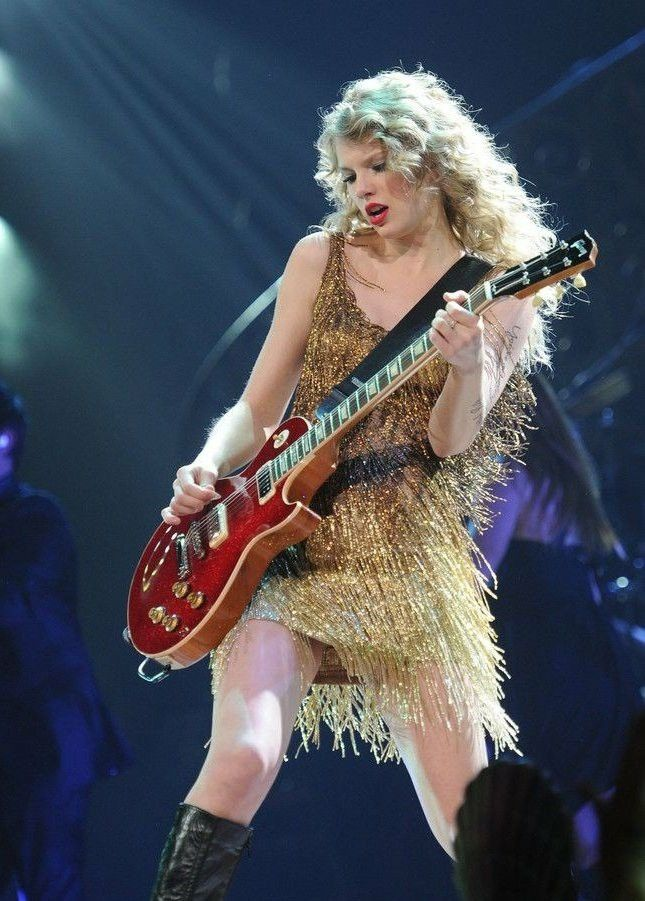
Taylor also experiments with storylines that haven’t happened to her directly. In Folklore, Taylor writes a song by the name of “Seven”: “And I’ve been meaning to tell you, I think your house is haunted. Your dad is always mad and that must be why. And I think you should come live with me, and we can be pirates. Then you won’t have to cry, or hide in the closet. And just like a folk song, our love will be passed on.” Swift puts herself in the shoes of a young girl whose best friend lives in an abusive household. By adopting a childlike innocence, Taylor can portray her character through immature terminology and fantasy. Moving to my favorite album, Evermore, “cowboy like me” incites feelings of yearning and grief: “Now you hang from my lips like the Gardens of Babylon. With your boots beneath my bed, forever is the sweetest con. I’ve had some tricks up my sleeve. Takes one to know one, you’re a cowboy like me, and I’m never gonna love again.” Once again, Taylor uses figurative language, this time a simile. By comparing her past lover to the Gardens of Babylon, the lost wonder of the world, Taylor asserts that there is no proof of their relationship. Only they hold the memories of their love, and such remembrance will never fade away, lasting forever in bittersweet agony.
Now, upon reading these in-depth lyrics, one can see Taylor’s growth in storytelling throughout the years. So, as we look at her most recent album, The Life of a Showgirl, the dismay and confusion that flooded through Swifties is understandable. The marketing of the album prior to its release left fans on the edge of their seats, excited for a burlesque-like, glamorous record. And, the first couple of tracks did not disappoint. The opening tracks, “The Fate of Ophelia” and “Elizabeth Taylor,” hold chords of power and lyrics of cheeky flair. However, track five, “Eldest Daughter”, left listeners cringing and expecting a “SIKE!” from the songwriter: “Every joke’s just trolling and memes, sad as it seems, apathy is hot.
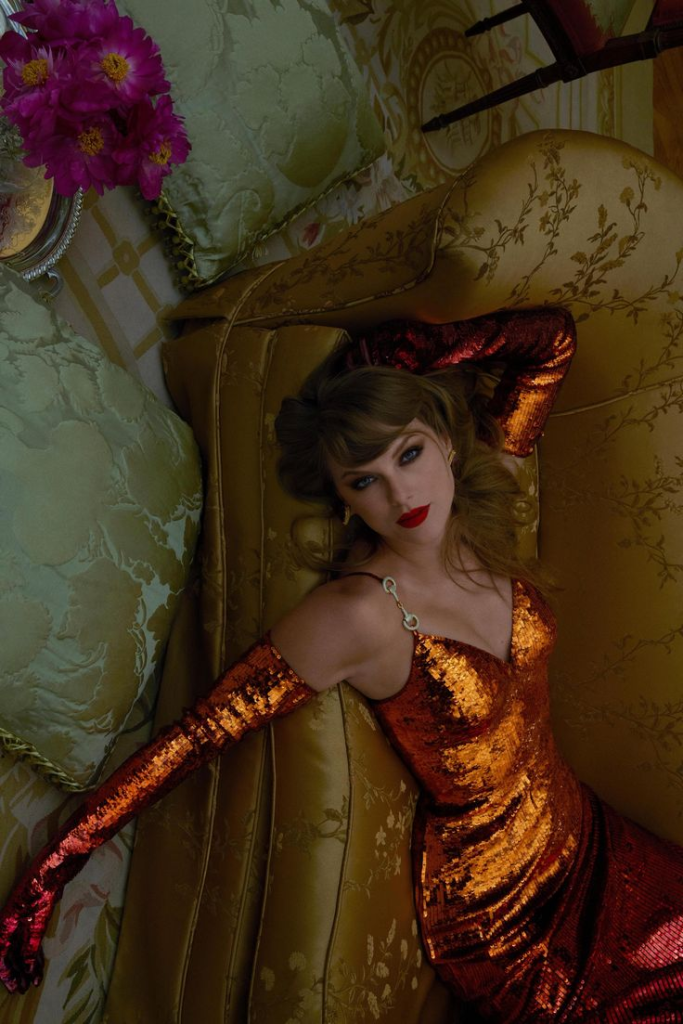
Everybody’s cutthroat in the comments, every single hot take is cold as ice.” In analyzing the rest of the song, Taylor’s intention of criticizing internet culture, along with establishing the pressures and misunderstandings experienced by older siblings, is clear. But, listeners felt as though the song fell flat in keeping a consistent theme and describing such experiences in a serious, non-embarrassing way.
Later on in the album, “Wi$h Li$t” resulted in listeners feeling out of touch with their once relatable role model: “They want that yacht life under chopper blades. They want those bright lights and Balenci shades, and a fat a** with a baby face…I just want you. Have a couple kids, got the whole block looking like you.” Taylor generalizes the rest of the world as wanting luxurious products and having materialistic priorities; she counters everyone by claiming to want to settle down and have a family. Upon listening, many felt as though Taylor had broken the unspoken rule: acknowledging her wealth. Obviously, Taylor doesn’t know or relate to listeners, as she is a billionaire superstar, and we aren’t. However, “Wi$t Li$t” seemed to rub such a discrepancy in listeners’ faces, provoking discontent around the album. Moving to “CANCELLED!”, Taylor truly establishes her millennial identity in odd lyrics: “Did you girl-boss too close to the sun? Did they catch you having too much fun? Come with me, when they see us, they’ll run. Something wicked this way comes.” This combination of chronically online references and dramatic imagery was the breaking point for listeners. It seemed as though there was no use in defending the album any longer
Now, I must admit, I enjoy a couple of songs from the controversial record. “Actually Romantic” and “Wood” have been played during several solo car rides home. But The Life of a Showgirl comes nowhere close to Evermore or The Tortured Poets Department in terms of critical lyricism. However, I don’t feel as though the lack of lyrical intricacy was the main issue with Taylor’s 12th studio album; I mean, 1989 was the epitome of light-hearted, poppy choruses. Instead, it was the singer’s explicit descriptions of wealth. Swift has been increasingly criticized as she has obtained billionaire status. Many fans have urged her to use her prosperity and fame to speak out on major issues. While she did endorse Kamala Harris during the 2024 presidential election, Swift has failed to acknowledge the genocide in Gaza, along with the deportations involving ICE in America.
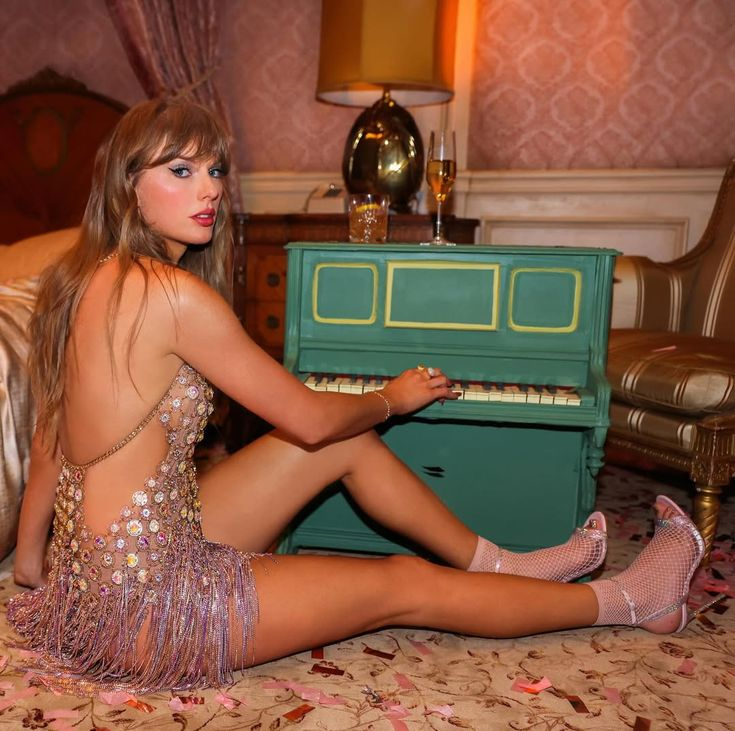
Despite the dislike revolving around Taylor’s recent album, I will always call myself a Swiftie. Swift’s complex songs helped me through heartbreak and academic struggles, and contributed to too many dance parties. Many listeners feel differently, though, and The Life of a Showgirl has unfortunately contributed to an increasing disconnect between artists and fans. Time will only tell if the previous affinity can be rekindled. As Taylor asks herself, “Is it over now?”
(inspired by my friend, Meghan, whose Swiftie identity has recently perished.)